About Loose Stones
Moissanite or lab grown diamond can be a starting point for a wide range of fine jewelry designs. Lab grown diamonds are diamonds with the same crystal structure as mined diamonds, while moissanite is a distinct stone known for its own brilliance and optical character. Both are available in a variety of shapes, sizes, and cutting styles.
For loose stones, shape and carat weight tell only part of the story. The measurements, facet pattern, colour, and number of stones included also influence how a stone works within a jewelry design, particularly when it is used in an existing setting or alongside multiple stones.
Compare Dimensions Before Carat Weight
Carat weight alone does not tell you how large a stone will look from above. Two stones of similar weight can have different lengths, widths, and depths.
Check the measurements in millimeters alongside the weight. For an elongated outline, the length to width ratio helps you compare a broader appearance with a slimmer one. Depth matters when deciding how the stone will fit into its setting.
If you already own a mounting, ask your jeweler to confirm the required dimensions before ordering. A setting made for one stone may need adjustments to hold another securely.
The Same Outline Can Have Different Facets
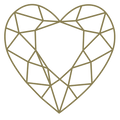
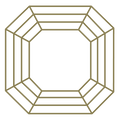
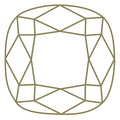
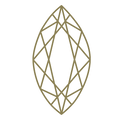
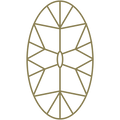
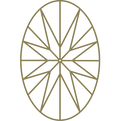
Shape describes the outer outline; cutting style describes the facet arrangement. An oval with step cut facets will look different from an oval with crushed-ice faceting, even when their dimensions are similar. Discover rose cut, portrait cut, Old Mine, Old European, Brilliant, and other cutting styles across the assortment.
For round stones, too, a familiar outline does not mean every option has the same facet pattern.
Choose a Single Stone or a Matching Pair
Some designs need one center stone; others depend on two stones working together. The collection includes matching pairs for earrings and side-stone arrangements, alongside individual loose stones.
Tapered baguette, trapezoid, half-moon, and other side-stone shapes can frame a larger center. Compare their dimensions and orientation with that center before choosing the pair.
For earrings, look at both stones together. Similar outlines, proportions, and color help create a consistent pair. Confirm whether the listed weight applies to each stone or to both combined.
Read Color Names Alongside the Material
Champagne, gray, yellow, blue green, and other colors appear among the moissanite options. These shades can become the main feature of a design or provide contrast beside another stone.
A color description does not identify the material. “Sapphire blue,” for example, can describe the shade of a moissanite stone rather than indicate that it is sapphire. Read the stone’s stated type separately from its color.
Compare the selected stone in different lighting where possible, particularly when matching it with stones you already own.
Diamond Certification and Setting Details
Some lab grown diamonds come with reports from recognized laboratories, including IGI and GIA, documenting the stone’s characteristics.
Available in many shapes and sizes, the diamonds can fit a range of jewelry settings. For a custom piece, the setting can be designed around the stone’s particular outline and proportions.
Certified stones in a variety of shapes give you the freedom to design an engagement ring, fine jewelry, or a custom piece around the diamond you select.
FAQs
Q. Does stone shape affect the design of custom jewelry?
A. Yes. The outline influences the setting, orientation, surrounding details, and overall proportions of the finished piece.
Q. What unique shapes can be found in the collection?
A. The assortment includes shapes such as butterfly, lozenge, triangle, lips, Buddha, arrow, and other distinctive outlines.
Q. What is the difference between a stone's shape and its cut?
A. Shape refers to the stone's outer outline, while cut describes how its facets are arranged across the surface.
Q. Why choose a loose stone before selecting a setting?
A. Selecting the stone first allows its outline and proportions to guide the setting and overall jewelry design.
Q. Are step cut stones available in different shapes?
A. Yes. The assortment includes step cut options in shapes such as arrow, triangle, and cushion.
Q. Can unique loose stones be used in custom jewelry?
A. Yes. Distinctive shapes can be incorporated into custom rings, pendants, earrings, and other designs when the setting is planned around them.
Q. Does the collection offer both moissanite and lab grown diamonds?
A. Yes. Both stone types are represented within the loose stone assortment.











 40% off